
Identify the threat. Are they honeybees?
When you're dealing with unwanted bees or wasps in your home or yard, it’s important to correctly identify the type of insect involved. Understanding the differences between honey bees, bumblebees, and wasps helps determine the safest and most appropriate response.
In this section, we outline the key characteristics of each insect and how to identify them, so you know what you’re dealing with before taking action.
Honey Bee
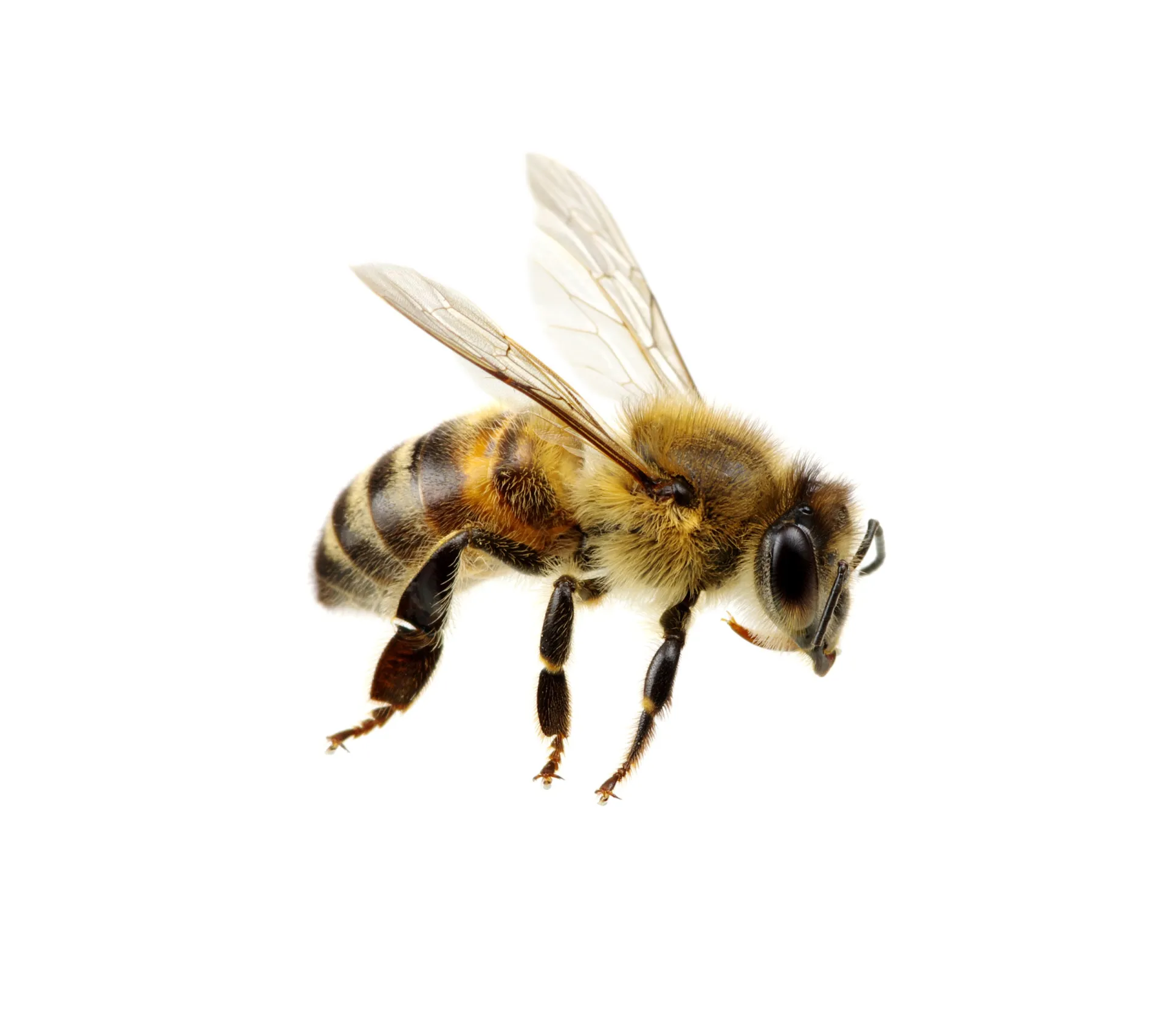
This is a honey bee. Honey bees are generally fuzzy with amber and brown striping (not bright yellow and black).
If the insects resemble the fuzzy, amber-brown bee shown, you most likely have honey bees. While honey bees are vital pollinators and generally gentle, they can become a problem when they establish colonies inside walls, structures, or other unsuitable locations.
PDNBKA specializes in honey bee swarm capture and colony relocation whenever possible.
Bumblebee
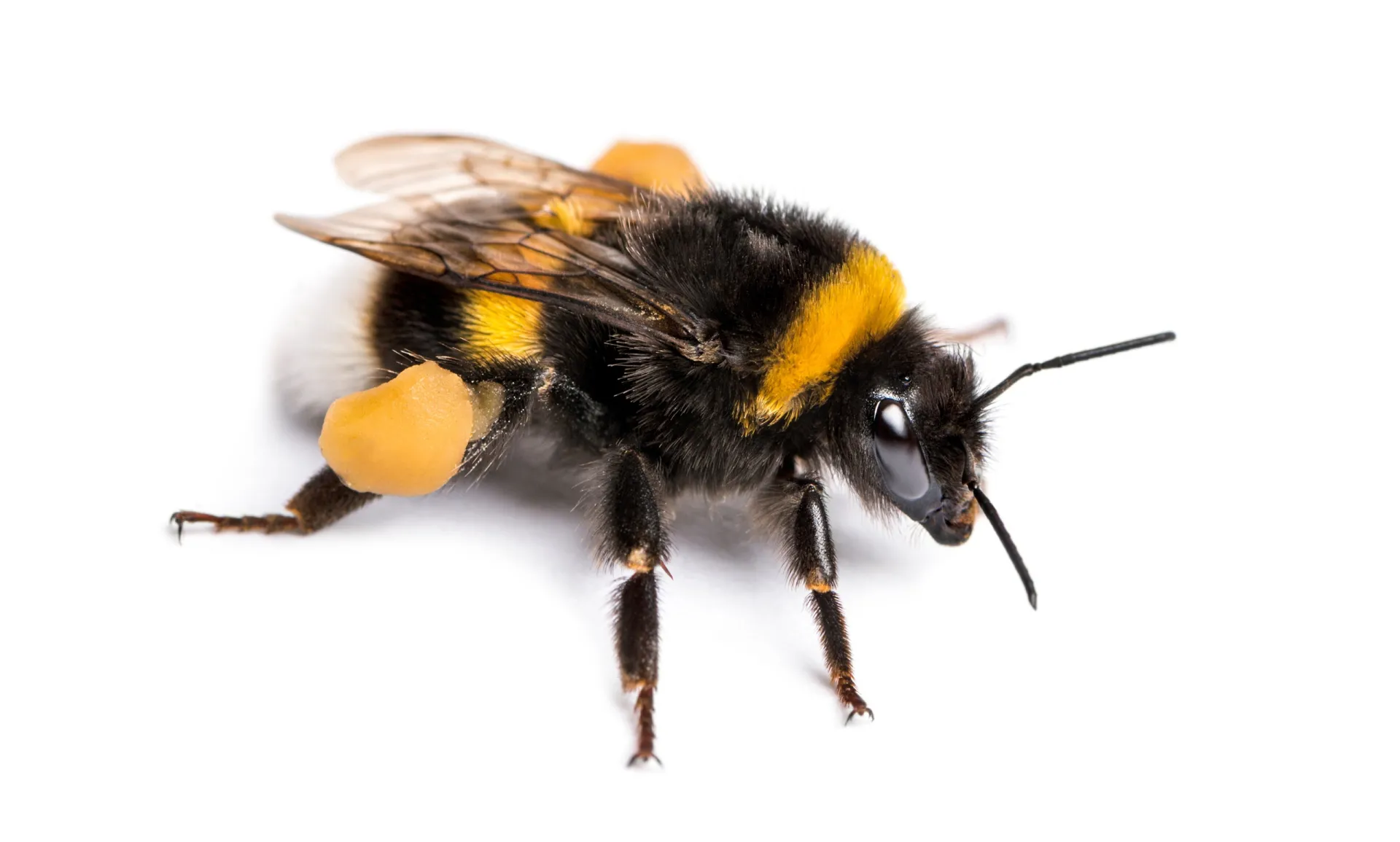
Bumblebees are large, round-bodied bees covered in dense, soft hair (long branched setae, also called “pile”), giving them a very fuzzy appearance. They often have bold bands of black, yellow, orange, or white and are heavier-bodied than honey bees.
Unlike honey bees, bumblebees typically nest in the ground, abandoned rodent burrows, or other protected cavities. Their colonies are much smaller and usually seasonal.
If the insects appear very large, round, and extremely fuzzy, and are nesting in the ground, you are likely dealing with bumblebees, not honey bees. Bumblebees are generally not aggressive unless disturbed.
PDNBKA does not relocate bumblebee colonies, as they are native pollinators and typically resolve naturally at the end of the season.
Yellow Jacket / Wasp
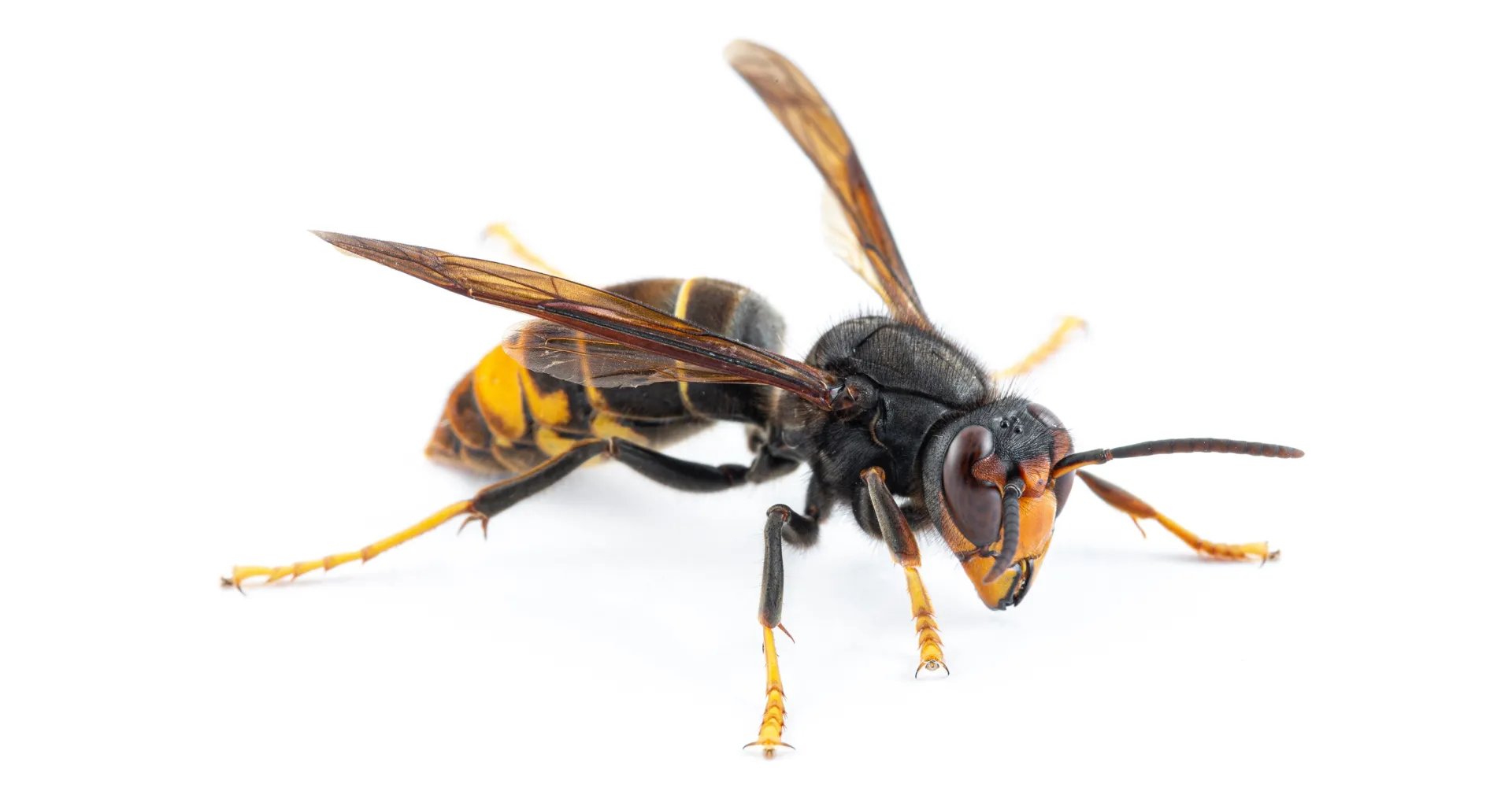
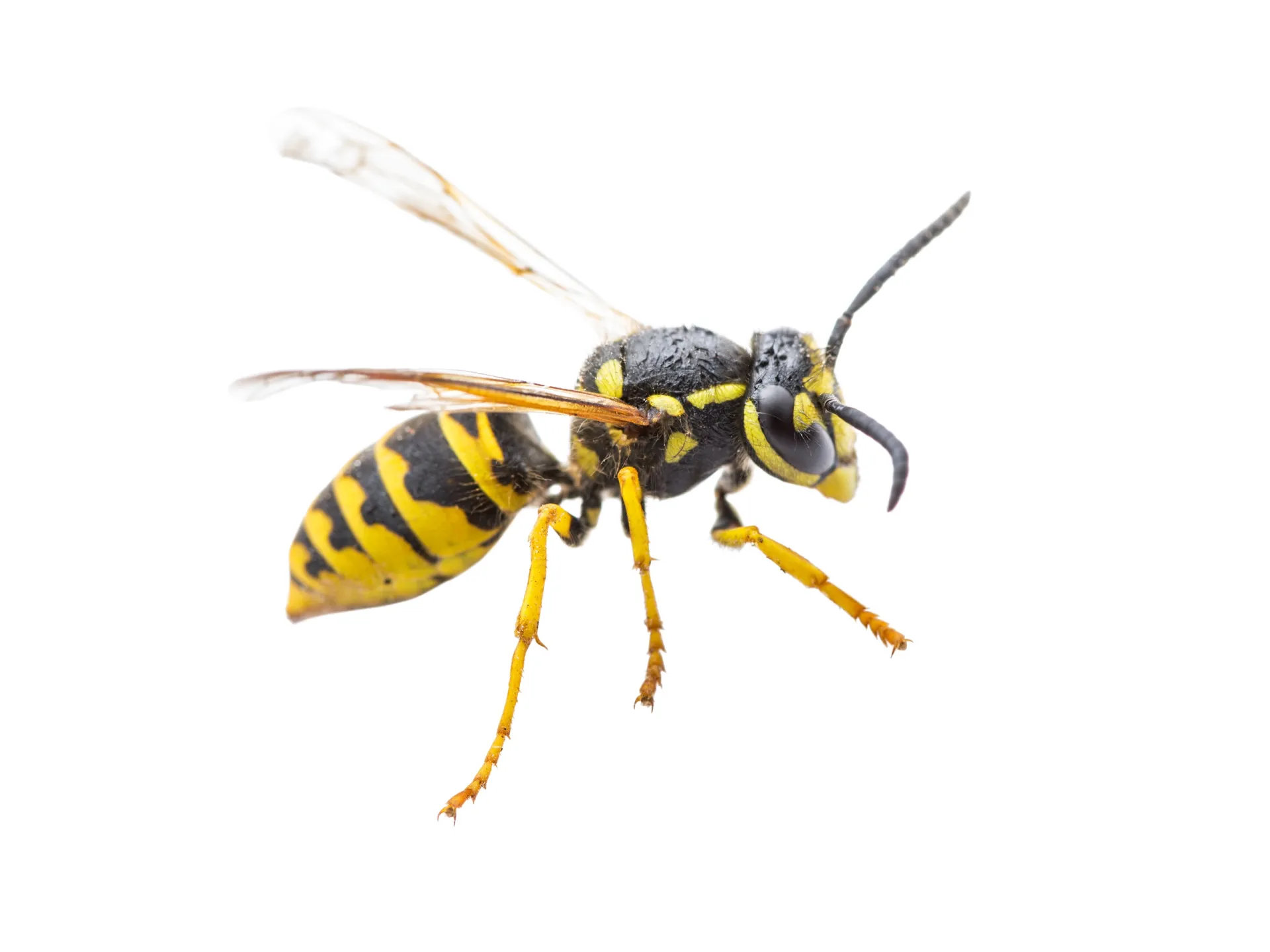
This is a yellow jacket, which is a type of wasp — not a bee. Yellow jackets are often mistaken for bees due to their size and ability to sting, but they are smooth-bodied, hairless, and have bright yellow and black markings.
PDNBKA does not relocate, remove, or exterminate wasps or yellow jackets.
Yellow jacket colonies often become nuisances in spring and summer but will die off naturally over winter. If they pose a safety concern, please contact a licensed exterminator.
Hornet
Hornets are a type of wasp and can be identified by their thin “wasp waist” between the thorax and abdomen. This feature distinguishes them from bees, which have thicker waists. Hornets are typically larger than yellow jackets and often display black and white or black and yellow coloring.
PDNBKA does not relocate, remove, or exterminate hornets.